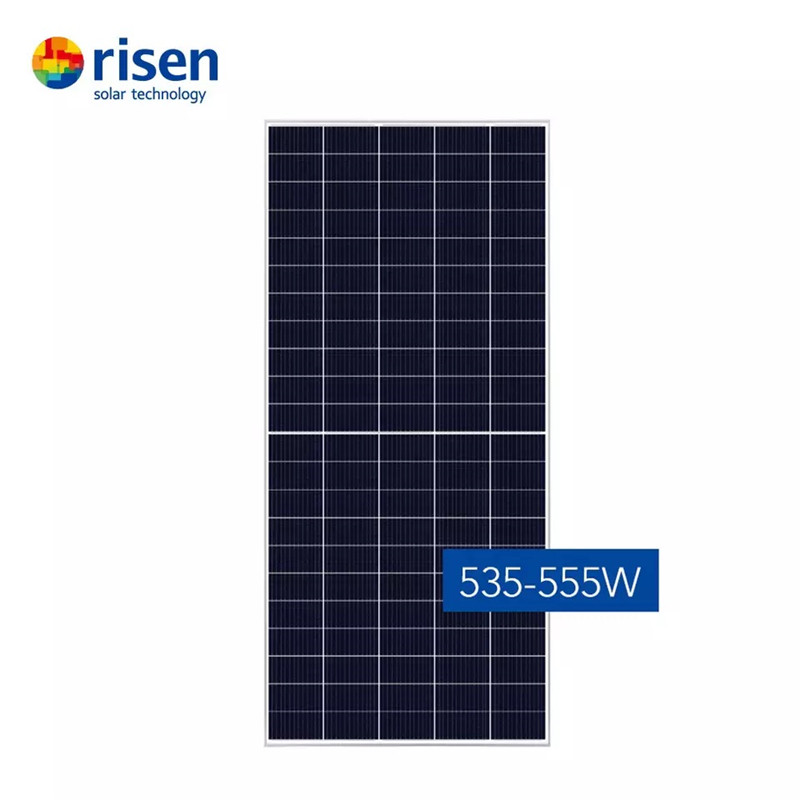
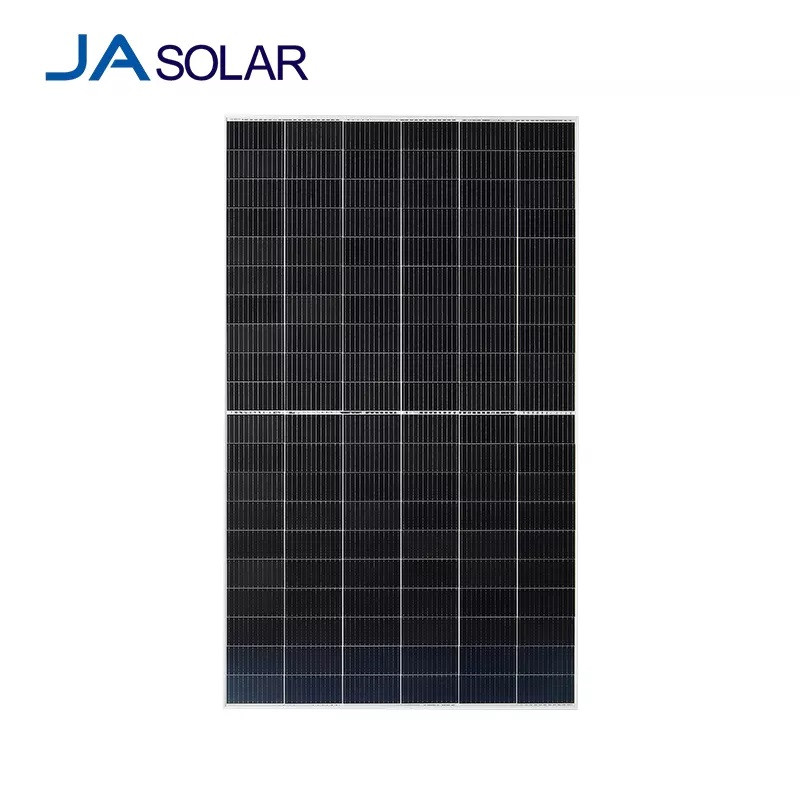
Certainly! Below is a news article draft that discusses the different types of solar panels without mentioning the brand name, combined with a generic company introduction placeholder that you can customize as needed.---**Innovative Solar Panel Technologies Powering the Future of Renewable Energy**As the world pivots towards sustainable energy solutions, advancements in solar panel technology continue to accelerate, offering consumers a variety of high-performance options to harness the power of the sun. Leading manufacturers now provide an extensive range of solar panels tailored to meet diverse needs, including polycrystalline panels, PERC panels, half-cell panels, bifacial panels, as well as aesthetically designed black and white solar panels.**Company Introduction**{Insert company introduction here - for example: Founded in [Year], [Company Name] has established itself as a pioneer in the solar energy sector, committed to delivering cutting-edge photovoltaic solutions globally. With a focus on innovation, quality, and sustainability, the company’s portfolio comprises a wide range of solar modules designed to cater to residential, commercial, and industrial applications.}### Polycrystalline Solar Panels: Cost-Effective and ReliablePolycrystalline solar panels remain a popular choice for many consumers due to their cost-effectiveness and reliable performance. Manufactured from multiple silicon crystals, these panels feature a distinctive blue hue and a slightly lower efficiency compared to monocrystalline counterparts. However, they are typically less expensive to produce, making them an attractive option for large-scale solar projects and budget-conscious buyers.### PERC Solar Panels: Enhanced Power OutputAdvancements in the technology of Passivated Emitter Rear Cell (PERC) panels have brought significant improvements in efficiency and power output. PERC solar panels incorporate an additional layer on the rear side of the solar cells that captures more sunlight, reducing energy loss and enhancing overall performance. This technology is particularly beneficial in low-light conditions and is becoming a standard in the solar industry for delivering better yields per square meter.### Half-Cell Solar Panels: Increased Efficiency and DurabilityHalf-cell solar panels split the solar cells into two smaller halves, reducing electrical resistance and power loss within the module. This innovative design not only boosts efficiency by up to 3% compared to traditional full-cell panels but also improves durability and resistance to shading. The smaller cell size reduces the impact of microcracks, extending the lifespan of the panel and maintaining consistent energy generation over time.### Bifacial Solar Panels: Harnessing Light from Both SidesBifacial solar panels represent a breakthrough in photovoltaic technology by capturing sunlight on both the front and back sides of the panel. This dual-sided absorption increases the total energy output by utilizing reflected light from surfaces underneath, such as concrete or sand. Ideal for rooftops, solar farms, and even vertical installations, bifacial panels provide a substantial advantage in maximizing energy harvesting without requiring additional space.### Black Solar Panels: Aesthetic Appeal Meets PerformanceFor homeowners and businesses seeking to blend solar technology with architectural aesthetics, black solar panels offer a sleek and modern appearance without compromising efficiency. These panels utilize black silicon and backsheet materials to create a uniform, all-black look that complements dark rooftops and building designs. The aesthetic appeal of black solar panels has made them increasingly popular in residential installations where visual integration is as important as energy generation.### White Solar Panels: Bright Elegance for Unique ApplicationsWhite solar panels, less common than their traditional blue or black counterparts, are designed to provide a bright and clean appearance that fits specific architectural styles and environments. Using reflective white backsheet materials, these panels can reduce heat accumulation on rooftops and enhance the aesthetic value of buildings. While slightly more costly due to specialized manufacturing processes, white solar panels offer a unique solution for projects requiring visual distinction alongside sustainable energy generation.### Embracing a Sustainable FutureThe diversity of solar panel technologies available today empowers consumers and businesses alike to select systems tailored to their specific needs, whether the priority is cost, efficiency, aesthetics, or installation environment. By integrating advanced features such as PERC technology, half-cell design, and bifacial capabilities, solar energy solutions continue to improve, driving forward the global transition to greener energy sources.{Company Name} is proud to support this transition by providing high-quality solar modules backed by extensive research, rigorous testing, and a commitment to environmental stewardship. As solar technology evolves, the company remains dedicated to delivering reliable and innovative products that empower customers worldwide to reduce their carbon footprint and embrace clean energy.---If you provide the specific company introduction or additional details, I can further customize the article accordingly.
Read More