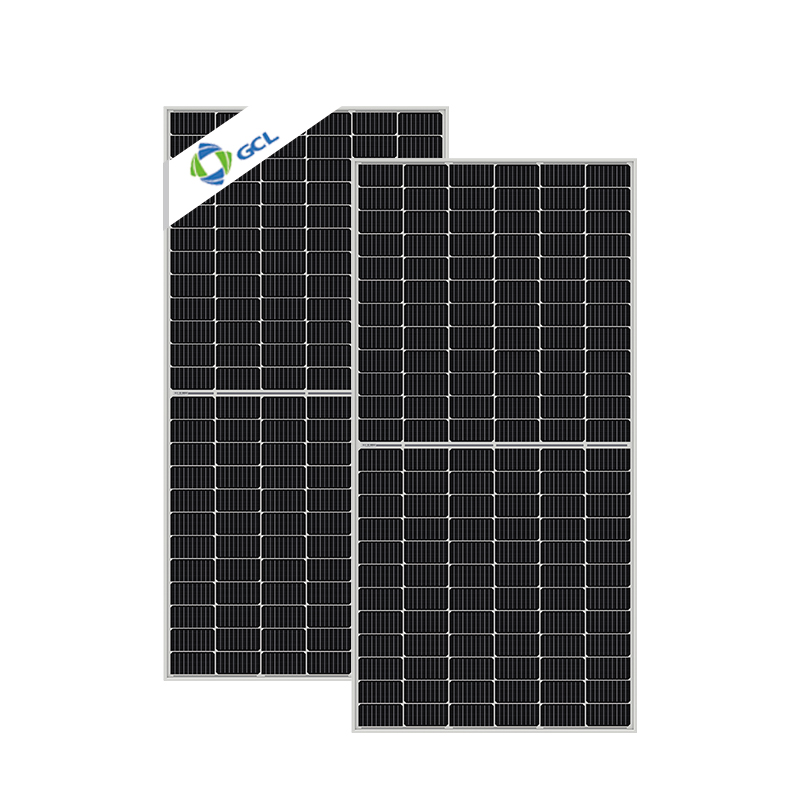
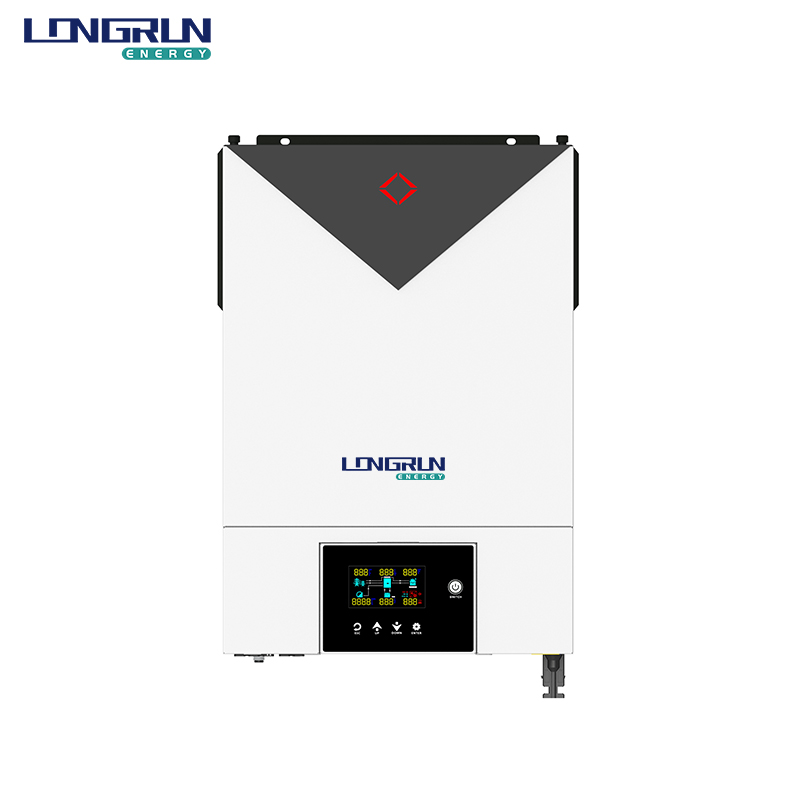
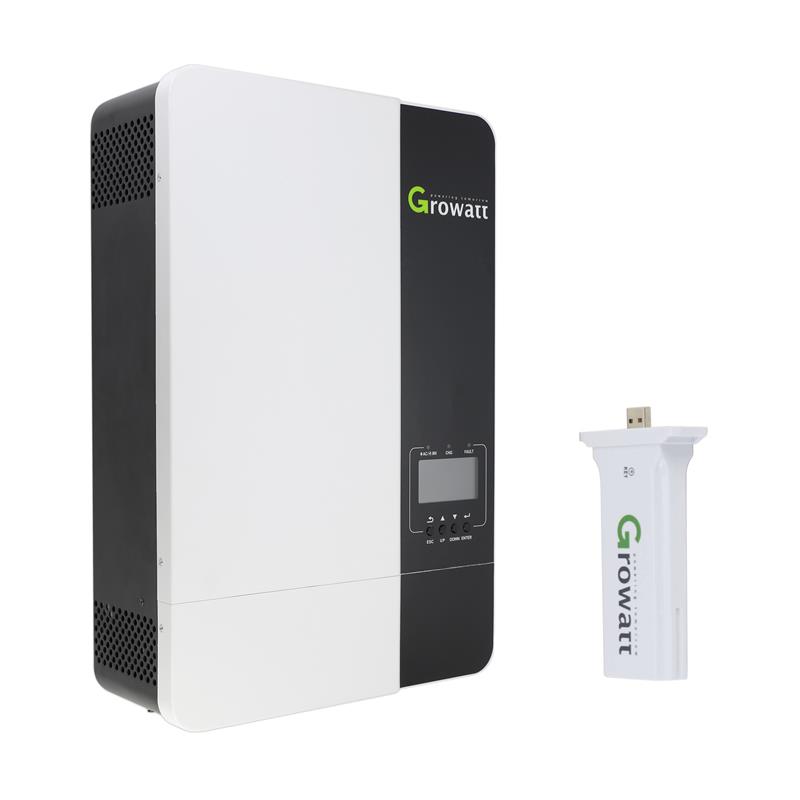
**Advancing Sustainable Energy Solutions: Innovative Solar Power Technologies Drive the Future**In the era of growing environmental awareness and rising energy demands, solar power systems have emerged as a cornerstone of sustainable development. Innovations in solar energy technologies, including solar power inverters, photovoltaic systems, and energy management solutions, are revolutionizing how we harness and utilize clean energy.A key component in solar power infrastructure is the **solar power inverter**, a device that converts the direct current (DC) generated by solar panels into alternating current (AC) usable by household appliances and the electrical grid. Recent advances have introduced versatile inverter models such as the **10kW inverter**, capable of efficiently managing higher energy loads, making solar power more accessible for both residential and commercial applications.At the heart of any solar installation lies the **photovoltaic system**, which consists of solar panels that capture sunlight and convert it into electrical energy. These systems are complemented by energy storage technologies that ensure a reliable power supply even during periods of low sunlight or nighttime. The development of **solar energy storage** solutions is essential for maximizing energy independence, enabling users to store excess electricity generated during the day and use it when needed.Among the innovative technologies gaining traction are various types of inverters tailored to specific energy needs. The **hybrid solar inverter** seamlessly integrates solar power with other energy sources and battery storage, providing flexibility and enhanced energy security. Meanwhile, the **off-grid solar inverter** is designed for remote locations without access to the electrical grid, powering homes, farms, or businesses independently. Conversely, the **grid-tied solar inverter** connects solar installations to the public electricity network, allowing users to feed surplus power back to the grid and benefit from net metering programs.An important feature that enhances the efficiency of solar charging systems is **MPPT charging** (Maximum Power Point Tracking), a technology that optimizes the match between the solar array and batteries or loads. MPPT chargers adjust the electrical operating point of the modules to maximize energy harvest, especially under changing environmental conditions such as shading or fluctuating sunlight.To maximize the benefits of these technologies, state-of-the-art **energy management systems** have become integral to modern solar solutions. These systems monitor, control, and optimize energy generation, storage, and consumption, providing users with actionable insights and ensuring the highest operational efficiency of solar installations.This wave of innovation is driven by companies committed to sustainability and technological excellence. Such enterprises leverage cutting-edge research and manufacturing expertise to deliver solutions tailored to diverse markets and customer needs. By combining high-efficiency components with intelligent energy management strategies, they empower users to reduce carbon footprints and achieve energy self-sufficiency.For instance, the integration of hybrid inverters with advanced MPPT charging algorithms allows users to seamlessly switch between solar power, battery storage, and grid electricity, optimizing cost savings and reliability. Off-grid inverters equipped with robust energy management systems enable communities in remote areas to access clean and reliable power without dependence on fossil fuels. Grid-tied inverters facilitate the smooth incorporation of solar energy into existing infrastructure, enhancing the stability and resiliency of power networks.Furthermore, the availability of scalable solutions such as 10kW inverters caters to a broad spectrum of applications, from single-family homes to larger commercial establishments. These inverters support expanding energy needs, offering flexibility for future system upgrades. Coupled with photovoltaic arrays and solar energy storage, they form a comprehensive ecosystem that addresses energy challenges holistically.As global efforts intensify to combat climate change and transition to clean energy, the roles of solar power inverters, photovoltaic systems, and energy management solutions continue to grow. The synergy of these technologies not only promotes sustainable living but also drives economic benefits by reducing energy costs and creating green jobs.Looking ahead, ongoing advancements are expected to further enhance efficiency, durability, and affordability of solar power components. Integration with smart grid technologies and IoT platforms will provide even more precise energy analytics and control, enabling users to optimize consumption patterns and participate actively in decentralized energy markets.In conclusion, the integration of state-of-the-art solar power inverters, photovoltaic systems, energy storage, and intelligent energy management marks a new chapter in renewable energy deployment. These technologies are key enablers of a cleaner, more resilient, and sustainable energy future, empowering individuals and communities worldwide to harness the limitless potential of the sun.
Read More