Three Phase Solar Inverter for Home | 400W, 2kW Full Bridge & Half Bridge 240V Inverters

By:Admin on 2026-08-03 02:07:55

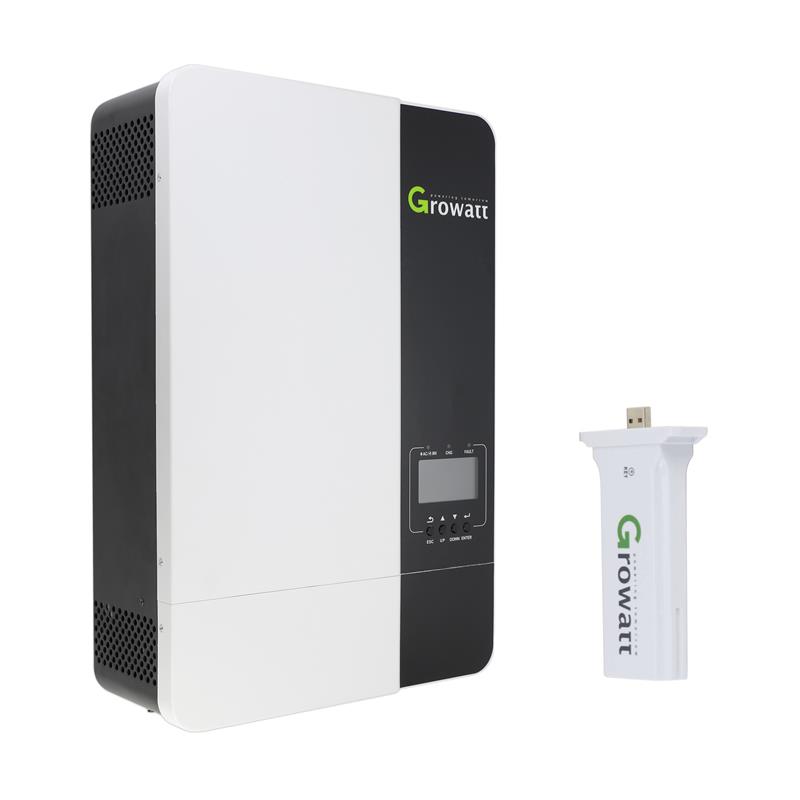
**Advancements in Three-Phase Solar Inverters: Revolutionizing Home Energy Solutions**In recent years, the surge in renewable energy adoption has propelled innovations in power conversion technologies, particularly in solar inverters. Among the most notable developments is the growing prominence of three-phase solar inverters, which are transforming how residential and small commercial users harness and utilize solar energy. This article delves into the latest trends and offerings in three-phase solar inverter technology, emphasizing key products such as the 400-watt home inverter, 240V inverter, 2kW inverter models, and advanced inverter topologies like full bridge and half bridge configurations.**Three-Phase Solar Inverters: What Are They and Why Choose Them?**A three-phase solar inverter converts the direct current (DC) power generated by solar panels into three-phase alternating current (AC) electricity. This is essential for homes or facilities that operate on three-phase electricity supply, ensuring smooth energy integration, efficient power distribution, and improved reliability.Compared to single-phase inverters, three-phase inverters offer several advantages:- **Enhanced Power Capacity:** They support higher power loads which is essential for larger home setups or small businesses.- **Improved Efficiency:** They reduce energy losses through better phase balance.- **Increased System Stability:** Balanced load distribution prevents voltage drops and equipment stress.These benefits make three-phase solar inverters particularly suited for modern homes aiming for sustainable and uninterrupted power supply.**Highlighting Key Products**1. **400-Watt Three-Phase Home Solar Inverter** Designed for small residential applications, this compact inverter is ideal for homeowners looking to begin their solar journey without large upfront investments. Its 400-watt capacity ensures basic energy needs are met efficiently, powering essential appliances while maintaining grid compatibility.2. **240V Three-Phase Inverter** Aimed at typical household voltage requirements, the 240V inverter provides seamless power conversion for common residential grid standards. Homeowners benefit from stable voltage delivery, protecting devices and enhancing overall system performance.3. **2kW Three-Phase Solar Inverter** For users with larger energy consumption or those integrating additional solar modules, the 2kW inverter offers robust performance. Its capacity supports powering multiple devices simultaneously and is well-suited for homes with electric heating, water pumps, or EV charging stations.4. **Full Bridge and Half Bridge Inverter Topologies** Solar inverter design profoundly influences efficiency and reliability. Full bridge inverters utilize four switching elements arranged in an H-bridge configuration, enabling improved power output quality and higher efficiency. This topology supports bidirectional power flow, advantageous for battery-integrated solar systems.Half bridge inverters, on the other hand, use two switching devices and are favored for their simpler design and cost-effectiveness. While they may not provide the same power quality as full bridge models, they are still reliable for small-scale residential applications and offer a budget-friendly approach to solar integration.5. **Maximum Power Point Tracking (MPPT) and Power Optimization** Many of these inverters incorporate MPPT technology to maximize energy harvest from solar panels. MPPT continuously tracks the optimal operating voltage and current, ensuring the solar panels operate at peak efficiency regardless of changing sunlight conditions.**Trends Driving Innovation and Adoption**- **Integration with Home Energy Management Systems (HEMS):** Modern inverter models are increasingly compatible with smart home systems, enabling users to monitor and control energy flow via apps and cloud platforms.- **Hybrid Configurations:** Combining solar inverters with battery storage systems fosters energy independence and backup power during outages.- **Grid-Tied & Off-Grid Flexibility:** Sophisticated inverter designs support both grid-tied and off-grid operations, catering to diverse user needs.- **Enhanced Safety and Standards Compliance:** New inverters comply with international standards for safety, electromagnetic interference (EMI), and anti-islanding protection, ensuring reliability.**Company Profile: Pioneering Renewable Power Solutions**At the forefront of these technological advancements is a global leader committed to delivering state-of-the-art solar inverter solutions tailored for residential and commercial applications. With decades of experience in power electronics and renewable energy systems, the company continually innovates to provide efficient, durable, and user-friendly inverters.Their product portfolio ranges from compact 400-watt home inverters to robust 2kW three-phase models, including options with full bridge and half bridge inverter topologies. Prioritizing quality and customer satisfaction, the company integrates advanced features such as MPPT, remote monitoring, and intelligent energy management functionalities.With a strong global footprint, the company also offers comprehensive after-sales support and technical services, helping clients maximize their solar investment benefits. Its commitment to sustainability and technological excellence makes it a trusted partner for those advancing towards clean energy futures.**Conclusion**The evolution of three-phase solar inverters marks a significant step forward in residential solar energy applications. With products like the 400-watt home inverter, 240V models, and 2kW high-capacity inverters complemented by full and half bridge designs, homeowners now have more options than ever to customize their solar power systems according to needs and budgets.As renewable energy continues to gain traction, these inverter innovations will play a crucial role in shaping efficient, resilient, and smart energy ecosystems. Supported by experienced companies driving innovation, residential solar installations are set to become more accessible, efficient, and impactful in the global transition towards sustainability.

Read More

10kW Inverter for Photovoltaic Systems | High Efficiency Solar Power Solution

By:Admin on 2026-07-30 01:51:03

Certainly! Could you please provide the company introduction and the specific news content related to the Photovoltaic system 10kw inverter? This will help me tailor the news article accurately according to your requirements.

Read More

High Efficiency Monocrystalline and Polycrystalline PERC Solar Panels | Half-Cut PV Modules

By:Admin on 2026-07-27 02:07:25

**Innovative Advances in Solar Energy: Exploring High-Efficiency Solar Modules and Panels**As the global focus on sustainable and renewable energy sources intensifies, the solar energy sector continues to witness significant technological advancements. Among these, the development of high-efficiency photovoltaic (PV) modules and solar panels stands out as a key driver in making solar power more accessible, affordable, and reliable. This article delves into the latest trends and innovations in solar module technology, including monocrystalline, polycrystalline, and PERC solar panels, as well as the emerging popularity of half-cut cell designs. These breakthroughs signify a leap forward in solar energy efficiency and performance.**Rising Demand for Solar Modules and Panels**Solar modules and panels serve as the backbone of solar power systems by converting sunlight into electricity. Market demand for photovoltaic modules that combine durability, high efficiency, and cost-effectiveness is at an all-time high, driven by governmental policies, environmental concerns, and consumer preferences.Among the different types of solar modules, both monocrystalline and polycrystalline remain popular choices. Monocrystalline solar modules — made from single-crystal silicon — are known for their superior efficiency and sleek appearance, making them ideal for residential and commercial rooftops where space optimization matters. On the other hand, polycrystalline solar panels, fabricated using multiple silicon crystals melted together, offer a more budget-friendly option though generally with slightly lower efficiency.**Advancements in Monocrystalline and Polycrystalline Technologies**Recent improvements in monocrystalline solar modules have focused on increasing their power output without enlarging their physical size. The refinement of silicon wafer manufacturing processes and the adoption of passivation cell technologies have contributed to these gains. Similarly, polycrystalline solar panels have benefitted from enhanced production techniques, enabling better performance and durability than earlier generations.**The Emergence of PERC Solar Panels**One of the most promising innovations reshaping the solar industry is the Passivated Emitter and Rear Cell (PERC) technology. PERC solar panels incorporate an additional passivation layer on the rear side of the cells, minimizing electron losses and significantly enhancing efficiency. This development has allowed solar modules to deliver higher power yields even under low-light conditions.PERC technology blends well with both monocrystalline and polycrystalline solar panels, leading to a broader adoption across different applications. By lowering the Levelized Cost of Energy (LCOE), PERC solar panels make solar power an increasingly attractive investment for utilities, businesses, and homeowners alike.**Half-Cut Solar Cell Design: A Game-Changer**Another breakthrough in solar module design is the half-cut solar cell configuration. Traditional solar cells are cut in half to reduce electrical resistance and shading losses. This results in enhanced module durability, improved shade tolerance, and increased overall power output. When integrated into solar panels, half-cut cell technology can effectively boost energy harvest and system reliability.Half-cut solar panels also tend to have better temperature coefficients, meaning they perform more efficiently at higher operating temperatures compared to conventional full-cell modules. This advantage is particularly relevant in regions with hot climates where solar power generation can be less predictable.**Conclusion: A Bright Future for Photovoltaic Technology**The solar energy industry is rapidly evolving with the continuous improvement of PV modules and solar panels. Innovations such as monocrystalline and polycrystalline solar modules, PERC solar panels, and half-cut cell designs are collectively enhancing the performance, efficiency, and affordability of solar technology.As demand surges worldwide, manufacturers and developers are focused on producing high-efficiency solar panels that can meet diverse energy needs while supporting sustainability goals. These advances not only contribute to cleaner energy production but also help accelerate the transition toward a carbon-neutral future.By harnessing the latest photovoltaic technologies, the solar sector is well-positioned to empower communities, industries, and countries to meet their energy demands in an environmentally responsible way. The next generation of solar panels promises to deliver greater energy output, longer lifespan, and better adaptability, making solar power a cornerstone of modern renewable energy strategies.

Read More